
Industry · 6 min read · April 3, 2023
Countertops: Introduction, Uses, and All Types Explained
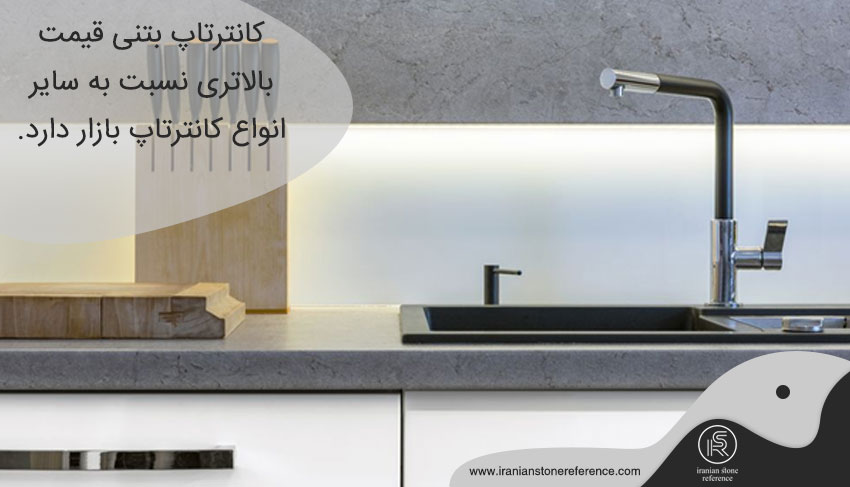
The kitchen is the heart of every home, and the countertop is the heart of every kitchen. With so many modern and functional countertop options on the market today, it can be genuinely difficult to choose the best one. This guide reviews the most popular countertop materials — stone, concrete, ceramic, and more — alongside the strengths and weaknesses of each.
The kitchen is the heart of every home and the countertop is the heart of every kitchen. With the wide variety of modern and functional countertops available on the market today, it is understandable if choosing the best option is difficult for you. Countertops in diverse materials — stone, concrete, ceramic, and more — in various designs and colors enter the market so that you can choose the best option to suit any style and taste. Stay with us as we look at what a countertop is and become acquainted with the types of countertops available in the building materials market.
When designing the kitchen decor, one of the first and most important points to consider is the countertop. In fact, the design and color of this kitchen element determines the design of all other kitchen components. A countertop is a smooth and uniform surface that is usually installed on top of cabinets and provides a good space for food preparation and storage of decorative elements. Therefore, the material used is expected to be completely resistant to staining, scratching, and heat.
Below we review some of the most widely used types of countertops in terms of material and get acquainted with the strengths and weaknesses of each.
Laminate countertops are made from plastic laminate sheets resulting from a combination of wood chips, resin, plastic, and pattern paper, and are released to the market in various styles and colors. The non-porous surface of this countertop does not allow bacteria and mold to grow and prevents the formation of stains on the surface. Despite being manufactured under flat heat and pressure, laminate is vulnerable to heat. If you choose this cost-effective option for your kitchen, you must give up placing hot pots and pans directly on the laminate countertop surface.
What are the strengths of this countertop? Laminate countertop is the least expensive option among the various ones available on the market. For this reason, most builders and interior designers turn to this countertop given their budget. The installation of these panels is relatively easier, they weigh less, maintaining them is not particularly challenging, and their variety gives buyers freedom of choice.
The composition of laminate countertops makes these panels vulnerable to warping, bubbling, scratching, and cracking. On the other hand, repairing them is costly and difficult and practically negates the savings made at purchase. The lifespan of these panels is short and they have less durability compared to stone surfaces.
Marble has been known as one of the most luxurious kitchen components for years and holds a good position in modern decorating design. This natural stone in a wide range of colors and unique natural patterns is an excellent option for those looking for a unique design. Marble resists heat well and is resistant to cracking, disintegrating, and breaking. This stone lasts for many years without any problems and is not damaged by scratches and stains.
The greatest strength of marble stone for kitchen countertops is the classic and luxurious aesthetic of this stone. Marble is resistant to heat, cracking, and breaking and has a lifespan of over 20 years. The world's most iconic sculptures were made from marble stone, and this has its roots in the excellent durability and longevity of this stone.
You certainly know what the weaknesses of this countertop are. Marble is an expensive and porous stone. This means that if you are not careful, it is highly susceptible to scratching. And if it does get scratched and stained, the repair cost will be high. On the other hand, marble gradually acquires an attractive patina over time that many people dislike.
Quartz, despite not being natural, is the most widely used and most popular choice for kitchen countertops. This durable stone enters the market with a hard surface and minimal maintenance requirements, and does not have a porous surface. This means it is not susceptible to staining and scratching and does not need sealing. Of course, this durability does not mean complete resistance to heat. If you place a hot pot or pan directly on the surface of this stone, it will be damaged quickly.
One of the good advantages of quartz countertops is their visual variety. On the other hand, this durable stone does not need repeated sealing and repair over time and shows better resistance to stains compared to granite and marble. All these advantages combined raise the desirability level of quartz.
The main weakness of quartz is the high cost of this stone. Depending on the type of quartz you purchase, the final cost may even exceed that of granite! Although we said this stone shows good resistance to stains, traces of tomato sauce and other food substances are still visible on it.
← Back to Stone Knowledge