
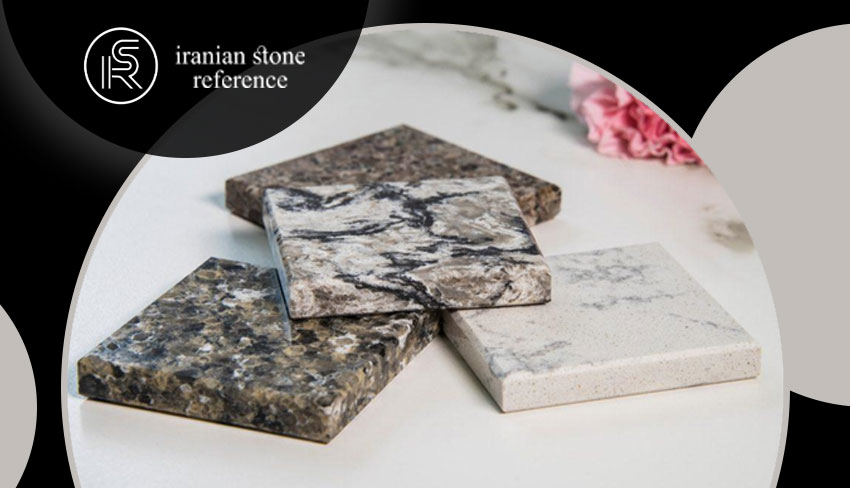
Stone is virtually an indestructible material, which makes it the most important feature for a cabinet countertop surface that is constantly exposed to impact and damage. With the wide variety of stones on the market, it is important to consider the unique characteristics of each — from aesthetics and durability to resistance and maintenance requirements — in order to make the best decision.
Stone is virtually an indestructible material, which makes it the most important characteristic for a cabinet countertop surface — a section constantly exposed to impact, damage, and wear. However, given the wide variety of stones on the market, it is important to consider the unique characteristics of each one, from visual beauty and durability to resistance levels and maintenance requirements, in order to make the best decision. Stay with us as we examine cabinet stone types in detail.
Granite is the Rolls-Royce of stones. This strong and beautiful igneous rock resists heat, scratching, denting, and cracking so well that it has for years been the first and last choice of designers for kitchen cabinet countertops. At the same time, the classic and timeless appearance of this stone catches the eye of every taste, and its natural color multiplies the appeal of the kitchen a thousandfold. If you habitually stack heavy items on your cabinets or perform almost all your kitchen tasks on this surface and worry about impact and scratches, granite is a good choice for you — as long as you don't strike the corners with heavy objects, because one sharp, forceful blow can crack the stone panel.
Marble is one of the most expensive and at the same time most delicate types of cabinet stone, formed under intense heat and pressure from limestone, and it can effectively withstand heat. The inherent coolness of this stone maintains its chill even in the presence of stovetops and open flames, which from this perspective makes it extremely practical for kitchens. The gentle shimmer and luminous veining that captivate artists and art lovers also attracts interior designers, drawing them to use this stone in the design of luxurious kitchens. Bear in mind, however, that marble is stain-prone and requires more careful maintenance. Even if you provide the best possible care conditions, over time this stone gradually undergoes patination.
If you're looking for a stone work surface but don't want to spend money on marble and granite, limestone is a more affordable option for you. The limestone surface is softer than marble and, while it lacks marble's eye-catching veining, is considered one of marble's popular alternatives. This sedimentary rock is composed of crystalline calcium carbonate and is available in the market in shades of white, beige, and light grey. It can truly be described as a complement to modern decor. If you prefer limestone for your cabinet top, you should prepare yourself for its care and maintenance requirements. Although the stone surface is fully sealed, there is a possibility of the stone reacting with water — so be careful.
Soapstone is one of the other most popular types of cabinet stone. Long before Europeans settled in North America, Native Americans quarried soapstone and used it to make pots, vessels, and jewelry. Today, natural soapstone is one of the most popular options in the construction industry. Soapstone is soft and cuts easily, yet it is less prone to cracking than other stones. The appeal and heat resistance of this stone are exemplary, and although it is reasonably priced compared to granite and marble, it is found in fewer homes — which is actually one of this stone's positive characteristics. Soapstone's biggest weakness is that it is more prone to denting and surface marks over time.
Onyx owes its beautiful appearance to the captivating dance of bands and veins in its texture. The difference in concentration of various minerals creates this wave in the stone's texture, and if placed on a cabinet surface, the result is a countertop with an avant-garde and utterly unique design — especially if backlighting is incorporated. Bear in mind that caring for an onyx surface is harder than other hard surfaces. This stone is very soft and usually requires reinforcing materials to serve as a kitchen work surface. Apart from this, it does not require much special care — simply wash the stone surface periodically with a mild dish soap solution, warm water, and a soft cloth.
Quartzite, which is less common than other cabinet stone types, is a hard natural stone from the metamorphic rock family that many people mistakenly confuse with quartz. This stone has a smooth and polished surface similar to marble and resists heat similarly to granite. It also shows good resistance to scratching and staining. But its unique feature is its excellent resistance to ultraviolet radiation damage! You can confidently use this natural stone for your bright, sun-lit kitchen and rest assured that your cabinet countertop will retain its day-one beauty for decades to come. If you choose this stone for your cabinet surface, be aware that it must be sealed before use.
Quartz is one of the engineered and artificial stones on the market and one of the cabinet stone types that has an eye-catching appearance like granite and marble, but is in fact even more durable than marble. This beautiful stone with its delicate veining and color patterns — and its resistance to stains, scratches, and the high heat of the kitchen — is an excellent choice for renovating your modern kitchen. You can order a ready-made quartz slab for the cabinet surface customized to your desired design and color palette. Just don't forget that direct sunlight and ultraviolet radiation will gradually damage this stone and cause color fading over time.
Travertine is the primary mineral of stalactites and stalagmites inside caves. But in the kitchen space, it is considered one of the best possible materials for covering the cabinet surface and decorating the kitchen island. Regardless of which of the stone's remarkable palette colors you have chosen — white, cream, beige, light brown, or rustic shades — the natural fibrous pattern of this stone communicates a sense of calm and pleasure at first glance, making it a complementary element for modern kitchens. If you select this stone for your cabinet top, keep in mind that this calcareous stone is usually used for low-traffic and low-impact areas, as it is reactive to acids and highly susceptible to scratching and damage.
Cabinet stone, apart from the natural look it gives the kitchen environment and its power to complement various modern and classic decor styles, is one of the most popular types of cabinet countertops due to its multi-year durability — even if scratched, it can be refinished and re-polished. Whether you are looking for natural stones such as marble and granite, or prefer engineered stones such as quartz, knowing these stones and their different characteristics will help you choose the best option for your dream kitchen. We hope this guide has helped you make an easier selection by examining cabinet stone types in detail.
← Back to Stone Knowledge